
Terminalia catappa (Sea Almond)

Origin: Asia, Australia, the area of the Pacific Ocean, Madagascar, and SeychellesDescription: Conditionally deciduous, big treeCanopy Shape: Layered and roundBloom: Small flower clustersFlowering Season: October – JanuaryFruit: Oval or almond-shapedSize of a Mature Tree: Height – 15-18 meters or 49.2ft – 59ft, Diameter – 8-12 meters or 26.2 -39.3ftGrowing Speed: FastIrrigation: Regular deep watering, avoid […]
Populus euphratica

Family: FabaceaeOrigin: West Asia, AfricaDescription: Medium-sized tree, evergreenCanopy Shape: Broadly rounded and spreadingBloom: Yellowish and substantialFlowering Season: Summer and AutumnFruit: Flat seed pods, initially green, later turning brownSize of a Mature Tree: Height – 5-13 meters or 16.4ft – 42.6ft, Diameter – 4-6 meters or 13.1 -19.6ftGrowing Speed: ModerateIrrigation: Economical, recommend Supplemental irrigation after establishmentSoil: […]
Quercus cerris
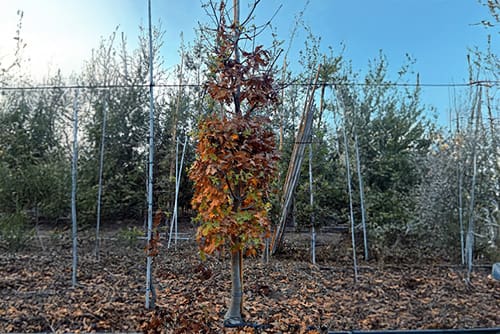
Origin: Parts of western AsiaCommonly Called: Turkey OakFamily: OaksDescription: Big tree, deciduousCanopy Shape: OvalBloom: Without horticultural significanceFruit: AcornSize of a Mature Tree: Height – 25-30 meters or 82ft – 98.4ft, Diameter – 7-12 meters or 22.9 -39.3ftGrowing Speed: FastIrrigation: EconomicalSoil: Adaptable to all soils except salineGeographical Distribution: Widely distributed across Israel, except the Bika’a region, […]
Lagerstroemia indica ‘Ultra’
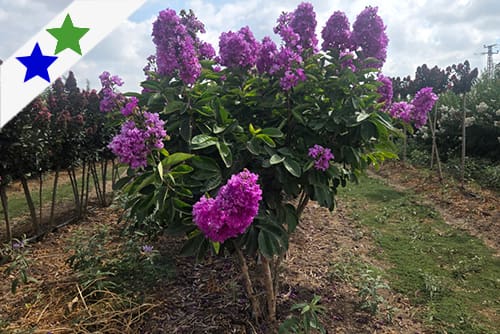
Origin: South & East Asia, North AustraliaDescription: DeciduousCanopy Shape: RoundedBloom: Flowers at the ends of the branchesFlowering Season: Spring, SummerFruit: Green seed capsules at the tips of the branchesSize of a Mature Tree: Height – 8 meters or 26.2ft, Diameter – 4 meters or 13.1Growing Speed: Fast – moderateIrrigation: Economical, recommend Supplemental irrigation during the […]
Lagunaria patersonii ‘Daniel’
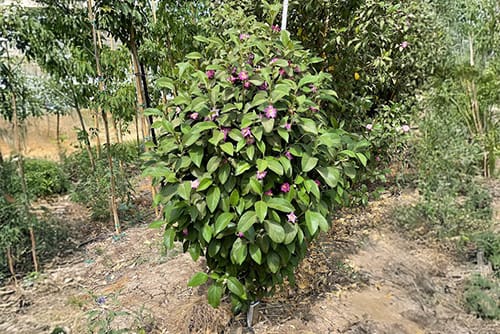
Origin: AustraliaDescription: Medium-sized tree, evergreenCanopy Shape: Well-balanced and symmetricalBloom: PinkFlowering Season: Spring, SummerFruit: Green-brownish fruitSize of a Mature Tree: Height – 15-18 meters or 49.2ft – 59ft, Diameter – 4-8 meters or 13.1 -26.2ftGrowing Speed: Moderate – fastIrrigation: Economical, recommend Supplemental irrigation until establishedSoil: Adaptable to all soils except for alkaline soilGeographical Distribution: Widely distributed […]
Cercis canadensis var. texensis Oklahoma

Fabaceae (Caesalpiniaceae)
Populus euphratica
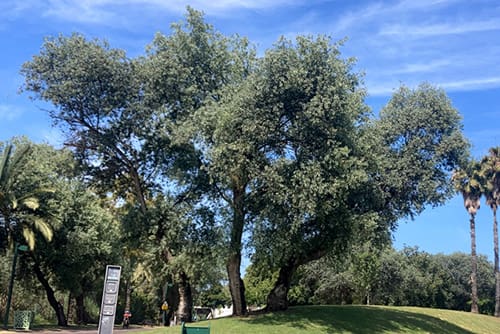
Origin: Wild in Israel and the Mediterranean region, and is also distributed across Central Asia, Iran, and Turkey, extending to West Africa and northern territoriesDescription: DeciduousCanopy Shape: Rounded & ovalBloom: Clusters of small pink flowers, without horticultural significanceFlowering Season: Spring, (February to April)Fruit: Without horticultural significanceSize of a Mature Tree: Height – 10-15 meters or […]
Salix acmophylla

Origin: The Mediterranean Region and the Irano-Turkish RegionDescription: Deciduous, small treeCanopy Shape: Rounded & wideFlowering Season: Spring, dioecious, without horticultural significanceBloom & Fruit: Capsule, without horticultural significanceSize of a Mature Tree: Height – 5-8 meters or 16.4ft – 26.2ft, Diameter – 4-6 meters or 13.1-19.6ftGrowing Speed: Very fastLongevity: Short lifespanIrrigation: Requires organized watering in the […]
Araucaria bidwillii

Araucariaceae
Salix babylonica

Salicaceae
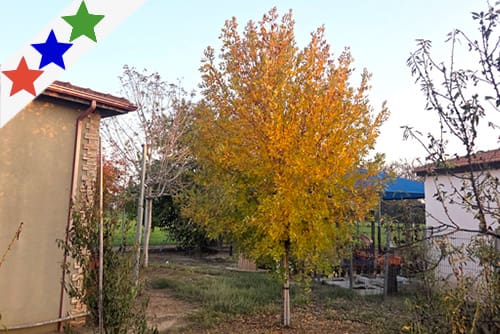
Fraxinus pennsylvanica ‘Sunrise’
Oleaceae
Vachellia nilotica – Egyptian thorn

Fabaceae
Casuarina equisetifolia

Casuarinaceae
Prunus amygdalus ‘Ayalon’

Rosaceae
Vitex trifolia ‘Purpurea’

Verbenaceae
Cinnammomum cassia

Lauraceae
Arbutus x andrachnoides ‘Marina’

Ericaceae
Populus X canadensis

Salicaceae
Araucaria heterophylla

Araucariaceae
Afrocarpus falcatus

Podocarpaceae
Lagerstroemia indica ‘Pink Velour’

Lythraceae
Lagerstroemia indica ‘Lafayette’

Lythraceae
Ficus lyrata

Moraceae
Lagerstroemia speciosa

Lythaceae
Eucalyptus (Corymbia) Picsifolia

Hadassi
Corymbia ficifolia
Tabebuia impetiginosa ‘Satariya’

Bignoniaceae
Hybrid Quercus cerris x Q. look Kotschy ‘Enoch’

Fagaceae
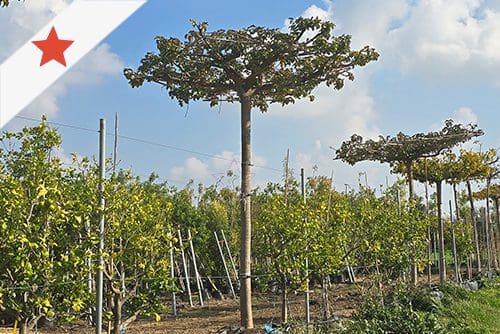
Umbrella-designed Morus alba ‘Platanifolia’
Moraceae
Umbrella-designed Morus alba ‘Pendula’

Moraceae
Quercus boissieri

Fagaceae
Ficus barteri Sprague

Moraceae
Ficus palmata

Moraceae
Ficus benghalensis

Moraceae
Podocarpus macrophyllus

Podocarpaceae
Cercis canadensis ‘Pendula’

Fabaceae (Caesalpiniaceae)
Lagerstroemia
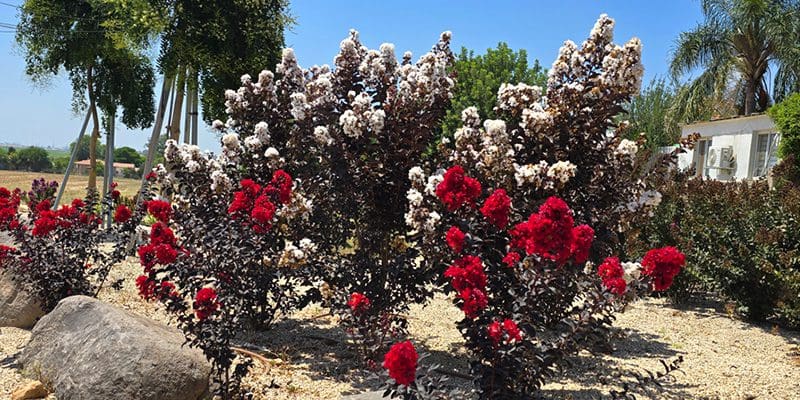
Lagerstroemia indica has colorful and spectacular flowers. Its foliage ranges from green though reddish-purple to dark red. It can be designed with a single trunk for a clean appearance or with multiple trunks for a more “natural” and wilder look. The tree is suitable for the Israeli climate, has a diverse, interesting, eye-catching and attractive display, which will beautify every public street and boulevard and every private garden or patio
Lagerstroemia indica ‘Twilight Magic’™

Lythraceae
Lagerstroemia indica ‘Sunset Magic’™

Lythraceae
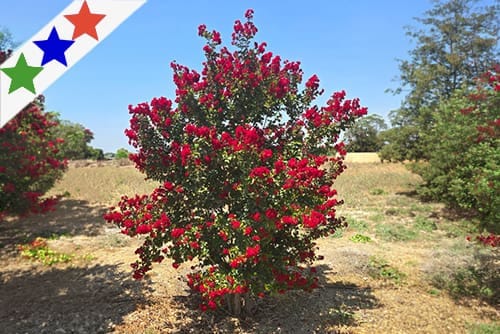
Lagerstroemia indica ‘Ruffled Red Magic’™
Lythraceae
Lagerstroemia indica ‘Purple Magic’™

Lythraceae
Lagerstroemia indica ‘Plum Magic’™

Lythraceae
Lagerstroemia indica ‘Moonlight Magic’™

Lythraceae
Lagerstroemia indica ‘Lunar Magic’™

Lythraceae
Lagerstroemia indica ‘Coral Magic’™

Lythraceae
Fraxinus uhdei ‘Nova’

Oleaceae
Fraxinus uhdei ‘Apollo’

Oleaceae
Styphnolobium japonicum

Fabaceae (Papilionaceae)
Melaleuca argentea

Myrtaceae
Pistacia lentiscus

Anacardiaceae
Hibiscus tiliaceus

Malvaceae
Murraya paniculata
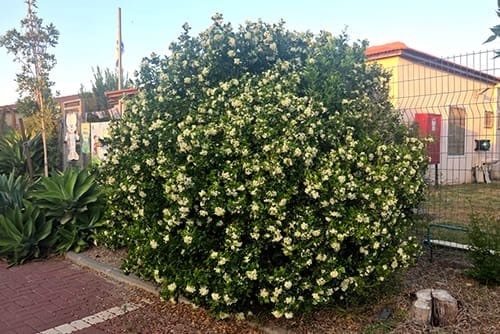
Rutaceae
Cercis chinensis ‘Avondale’

Fabaceae
Jatropha integerrima

Euphorbiaceae
Rhus copallina

Anacardiaceae
Acer truncatum

Aceraceae
Quercus libani

Fagaceae
Chestnut oak

Chestnut oak
Heteromeles arbutifolia

Rosaceae
Tecoma X smithii ‘Orange Jubilee’

Bignoniaceae
Cupressus sempervirens ‘Tzemed’

Cupressaceae
Cupressus sempervirens ‘Dalya’

Cupressaceae
How to choose a tree for a private garden

Many customers come to the nursery to choose trees for their own gardens and consult with us about which is best for them. We’ve compiled here some of their frequently asked questions so that you can visit the nursery with a better idea of which trees are right for you
Israeli oaks – a worthwhile investment
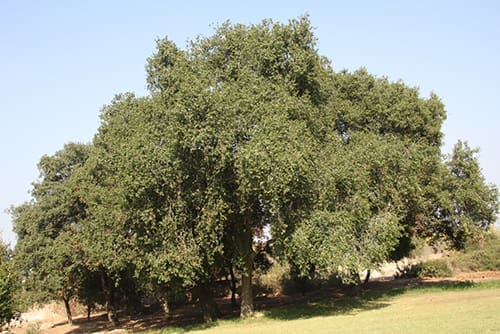
Quercus species are the classic ornamental tree. They are synonymous with luxury, robustness, durability and longevity. They are beautiful trees with sculptural trunks and interesting foliage, are resistant to pests and diseases, only get better with age and are very long-lived. It is with good reason that they are considered the kings of the forest and groves.
Tree planting and watering instructions

Good tree establishment begins even before planting. This article divides the process into four stages: preparing the soil for planting, the planting itself, support and watering. Ensuring the correct execution of each of these stages will guarantee optimal base conditions for the young tree
The nursery’s vision

We at Ilan Nursery strive to create new standards and promote them in public landscaping. We would like to see regulatory bodies more involved in guiding and enforcing such standards. We feel that the professional level in Israel is still in the development stages and primarily that there is a very high demand for training and guidance from professionals and an insufficient supply of quality training
Terminalia mantaly ‘Tornado’

Bignoniaceae
Acer buergerianum

Aceraceae
Hybrid Quercus suber x Q. ithaburensis ‘Goliath’

Fagaceae
Trees on city streets – awareness and professionalism
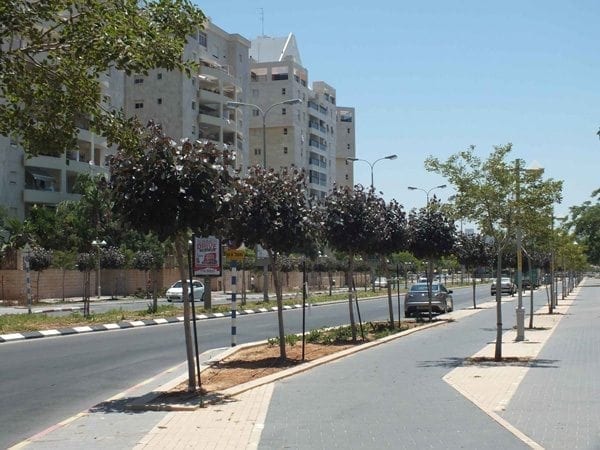
Itay Eshel of Ilan Nursery in an article about professionalism and awareness on the subject of beautiful and high-quality street trees. From the basics of what is planted where, through preparation and the actual planting, to the care and ongoing maintenance. This is intended for readers planting a tree in their own gardens, those responsible for the issue in local authorities, and even for legislators, who with a little awareness could help create a greener and more inviting environment
Grafting and reproducing new cultivars

On the pros and cons of grafting trees. This article identifies in which cases grafting is more appropriate, how best to do it and when another method of propagation should be preferred. It also addresses an important issue in the development and reproduction of new cultivars. Responsibility is a necessity in reproduction like that. This article explains this heavy responsibility, what the dangers are and why the issue should be treated with caution
Trees’ limitations – how to choose the right tree

You want to plant a tree. In a private garden, an urban boulevard or a grove. Is the tree you want to plant there, as beautiful as it may be, the right one? Is it suitable for the intended use? Is it suitable for the region of the country or for that specific location? This article aims to broaden your perspective and provide several important points about what to consider when choosing the right tree
Thespesia populnea

Thespesia populnea
Morus nigra
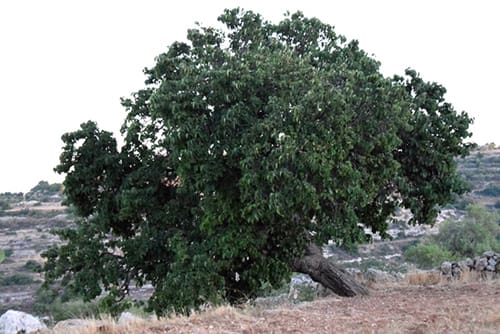
Moraceae
Morus macroura

Moraceae
Morus alba ‘Omry’ (male)
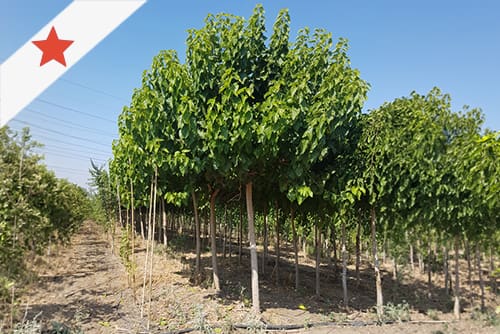
Moraceae
Morus pendula
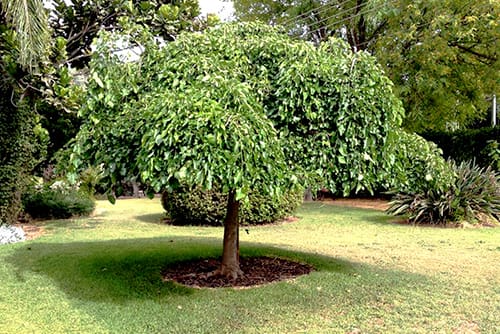
Moraceae
Morus alba ‘Platanifolia’
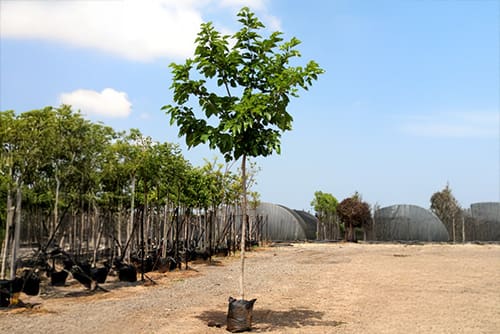
Moraceae
Morus rubra

Moraceae
Peltophorum dubium

Fabaceae (Caesalpinioideae)
Peltophorum africanum

Fabaceae (Caesalpinioideae)
Vitex agnus castus

Verbenaceae
Ziziphus spina-christi
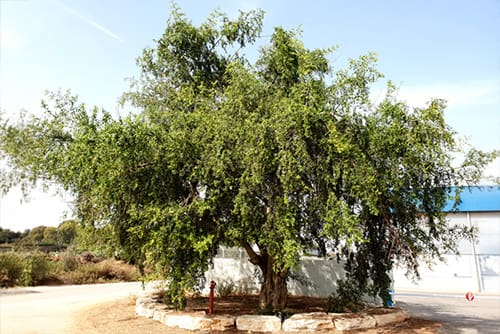
Rhamnaceae
Prunus dulcis
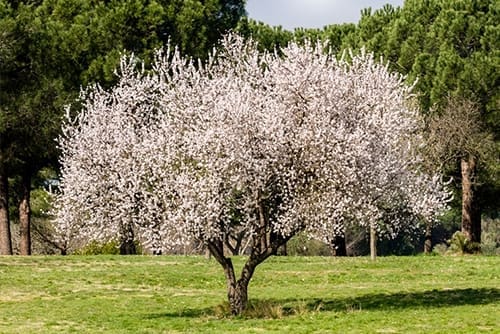
Rosaceae
Prunus campanulata
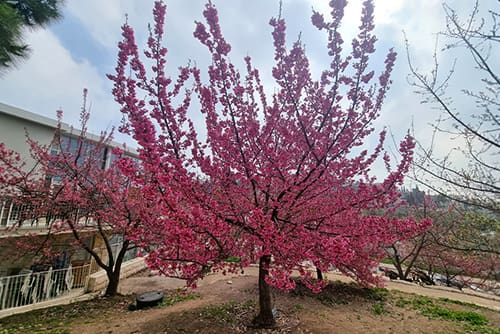
Rosaceae
Prunus cerasifera
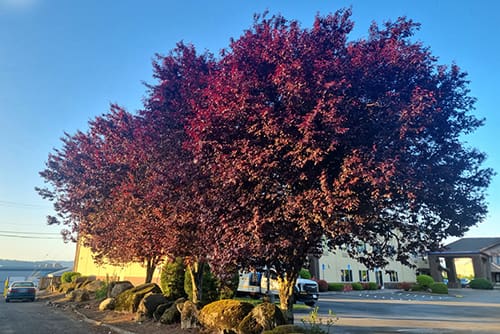
Rosaceae
Punica granatum ‘Flore-pleno’
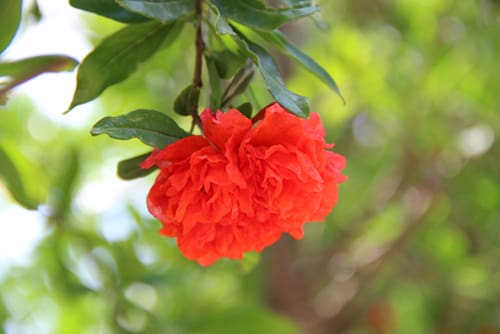
Punicaceae
Punica granatum ‘Wonderful’

Punicaceae
Citharexylum spinosum

Verbenaceae
Callistemon ‘Kings Park’

Myrtaceae
Calliandra haematocarpa
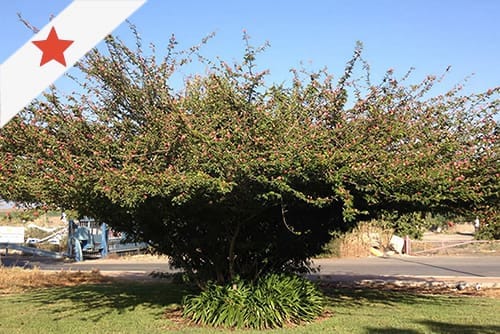
Fabaceae (Mimosaceae)
Cinnamomum camphora

Lauraceae
Kigelia pinnata
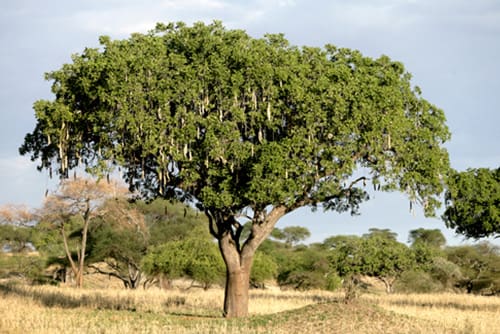
Bignoniaceae
Coccoloba uvifera
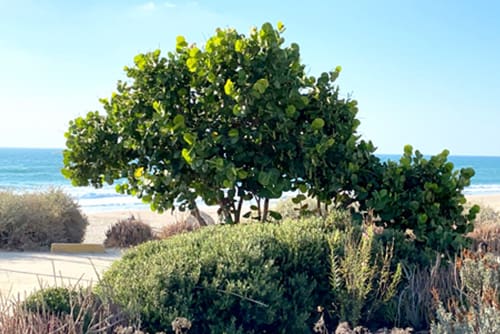
Polygonaceae
Cupaniopsis anacardioides

Sapindaceae
Populus nigra ‘Italica’

Salicaceae
Populus alba

Salicaceae
Delonix regia

Fabaceae (Caesalpiniaceae)
Pararchidendron pruinosum

Fabaceae (Mimosaceae)
Carya illinoinensis

Fagaceae
Koelreuteria bipinnata ‘Yonatan’

Sapindaceae
Koelreuteria bipinnata
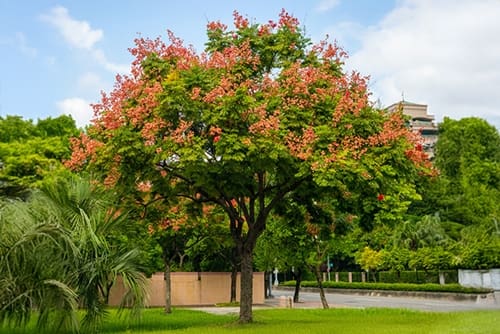
Sapindaceae
Schinus terebinthifolius

Anacardiaceae
Schinus molle

Anacardiaceae
Plumeria rubra

Apocynaceae
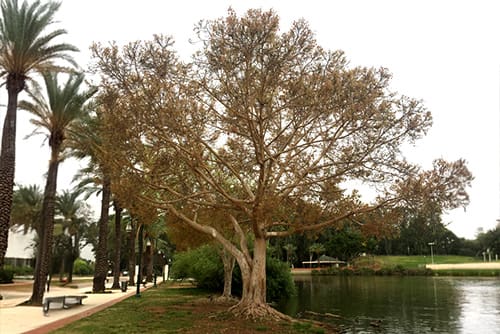
Ficus religiosa
Moraceae
Ficus binnendijkii

Moraceae
Ficus macrophylla (magnolioides)

Moraceae
Ficus rubiginosa

Moraceae
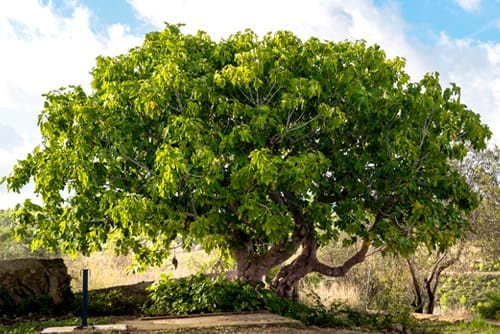
Ficus carica
Moraceae
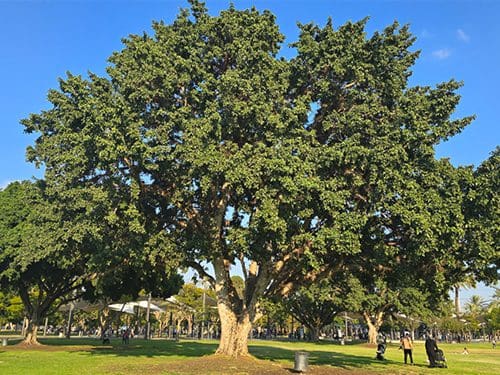
Ficus sycomorus
Moraceae
Ficus microcarpa

Moraceae
Ficus benjamina

Moraceae
Pittosporum undulatum

Pittosporaceae
Phytolacca dioica

Phytolaccaceae
Millettia pinnata

Fabaceae (Caesalpiniaceae)
Laurus nobilis

Lauraceae
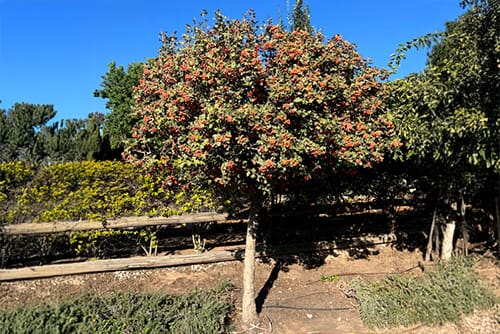
Crataegus azarolus
Rosaceae
Triadica sebifera ‘Ilan Lohev’

Euphorbiaceae
Triadica sebifera

Euphorbiaceae
Triadica sebifera ‘Bordo’

Euphorbiaceae
Domed Dalbergia sissoo
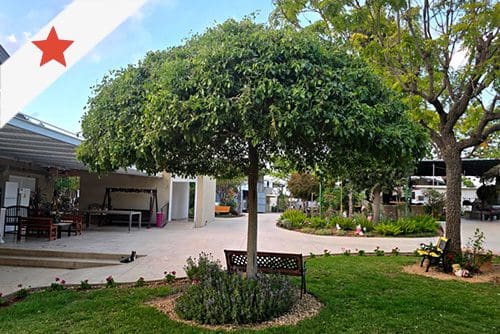
Fabaceae (Papilionaceae)
Weeping Dalbergia sissoo

Fabaceae (Papilionaceae)
Dalbergia sissoo

Fabaceae (Papilionaceae)
Jacaranda mimosifolia
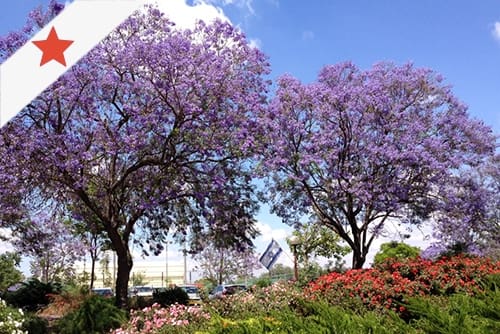
Bignoniaceae
Styphnolobium japonicum pendula

Fabaceae (Papilionaceae)
Sophora secundiflora
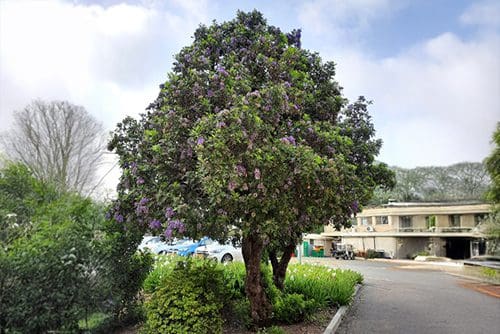
Fabaceae (Papilionaceae)
Liquidambar styraciflua
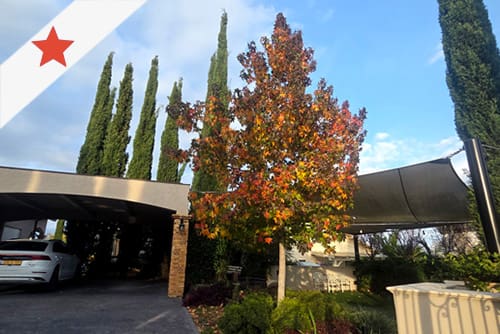
Hamamelidaceae
Ligustrum japonicum

Oleaceae
Lagerstroemia indica ‘Cordon Bleu’

Lythaceae
Lagerstroemia indica x fauriei ‘Muskogee’

Lythaceae
Lagerstroemia indica x fauriei ‘Tuscarora’
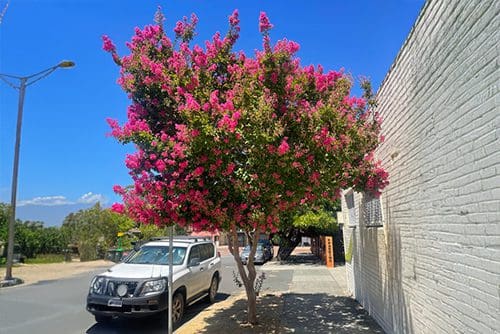
Lythaceae
Lagerstroemia indica x fauriei ‘Natchez’

Lythraceae
Lagerstroemia ‘Mardi Gras’

Lythaceae
Lagerstroemia indica ‘Dynamite’

Lagerstroemia indica ‘Dynamite’
Lagunaria patersonii
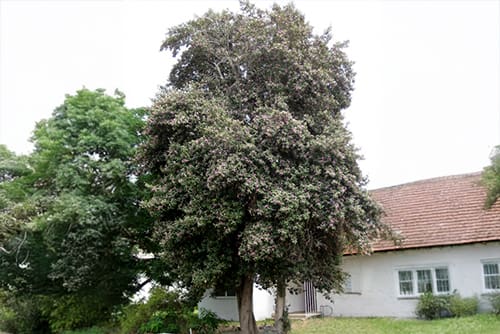
Malvaceae
Styrax officinalis

Styracaceae
Alectryon tomentosus
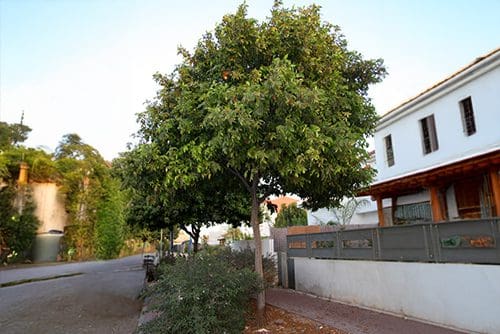
Sapindaceae
Cassia fistula

Fabaceae (Caesalpinioideae)
Cercis canadensis ‘Forest Pansy’

Fabaceae (Caesalpinioideae)
Cercis canadensis

Fabaceae (Caesalpinioideae)
Cercis siliquastrum ‘Alba’

Fabaceae (Caesalpinioideae)
Cercis siliquastrum

Fabaceae (Caesalpinioideae)
Chilopsis linearis ‘Bubba’
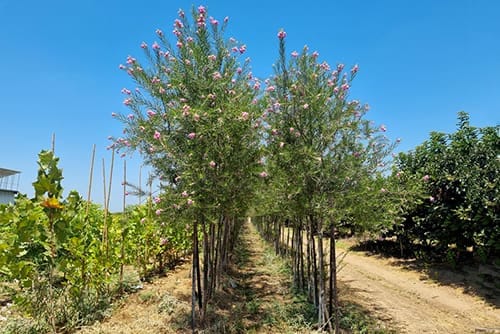
Bignoniaceae
Chitalpa tashkentensis x

Bignoniaceae
Chorisia speciosa

Bombaceae
Chorisia insignis

Bombaceae
Prosopis alba

Fabaceae (Mimosaceae)
Terminalia mantaly

Bignoniaceae
Radermachera sinica

Bignoniaceae
Tabebuia impetiginosa ‘Santa Barbara’
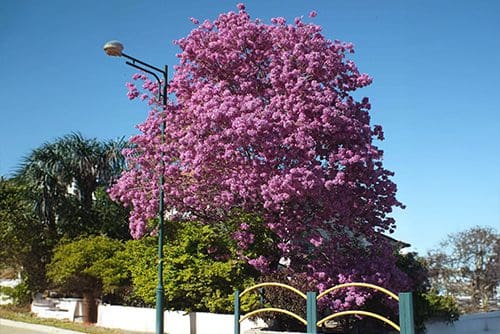
Bignoniaceae
Tabebuia impetiginosa ‘Santa Barbara’ Grafted

Bignoniaceae
Female Ceratonia siliqua

Fabaceae (Caesalpinioideae)
Male Ceratonia siliqua

Fabaceae (Caesalpinioideae)
Spathodea campanulata

Bignoniaceae
Tipuana tipu
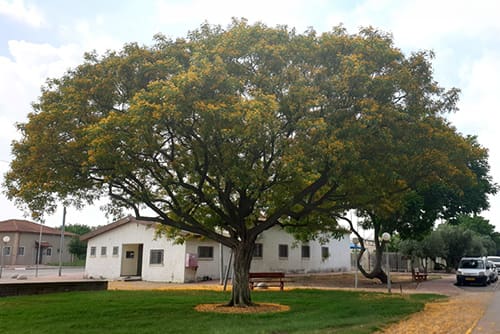
Fabaceae (Papilionaceae)
Celtis sinensis

Cannabaceae
Celtis occidentalis

Cannabaceae
Celtis australis

Cannabaceae
Celtis bungeana

Cannabaceae
Celtis africana

Cannabaceae
Fraxinus pennsylvanica

Oleaceae
Fraxinus syriaca ‘Inbali’

Oleaceae
Fraxinus syriaca ‘Gan haVradim’

Oleaceae
Fraxinus syriaca

Oleaceae
Fraxinus uhdei

Oleaceae
Fraxinus uhdei ‘Full Moon’

Oleaceae
Fraxinus angustifolia ‘Raywood’

Oleaceae
Magnolia grandiflora

Magnoliaceae
Zelkova serrata

Ulmaceae
Olea europaea

Oleaceae
Harpephyllum caffrum

Anacardiaceae
Harpullia arborea

Sapindaceae
Hibiscus tiliaceus ‘Sitria’
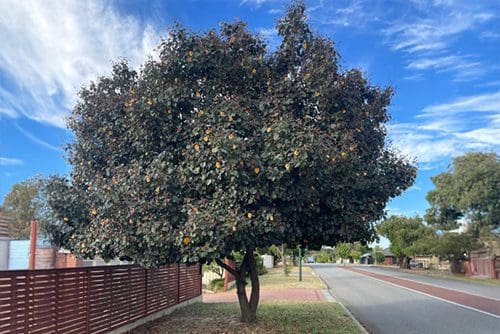
Malvaceae
Hovenia dulcis

Rhamnaceae
Citrus aurantium

Rutaceae
Tecoma castaneifolia ‘Hagar’

Bignoniaceae
Platanus racemosa

Platanaceae
Platanus mexicana

Platanaceae
Grevillea robusta

Proteaceae
Gleditsia triacanthos

Fabaceae (Caesalpinioideae)
Brachychiton populneus ‘Aleh Komfor’

Sterculiaceae
Brachychiton populneus

Sterculiaceae
Brachychiton pink acerifolius

Sterculiaceae
Brachychiton rupestris

Sterculiaceae
Brachychiton discolor

Sterculiaceae
Brachychiton australis

Sterculiaceae
Brachychiton acerifolius

Sterculiaceae
Cupressus sempervirens ‘Shaar haGai’

Cypresses
Cypress ‘Santa Catharina’

Cypresses
Cupressus sempervirens ‘Totem’

Cupressaceae
Italian cypress

Cupressaceae
Swamp cypress – Taxodium distichum

Taxodiaceae
Ulmus glabra ‘Pendula’

Ulmaceae
Ulmus parvifolia ‘Reshafim’

Ulmaceae
Bombax ceiba

Bombaceae
Bolusanthus speciosus

Fabaceae (Papilionaceae)
Bauhinia variegata ‘Alba’

Fabaceae
Bauhinia Variegata

Fabaceae
Bauhinia × blakeana ‘Pnina’

Fabaceae
Bauhinia variegata ‘Natali’

Fabaceae