Share:
Share:
Origin: The Mediterranean Basin, Turkey, Iraq, and Iran
Description: Deciduous
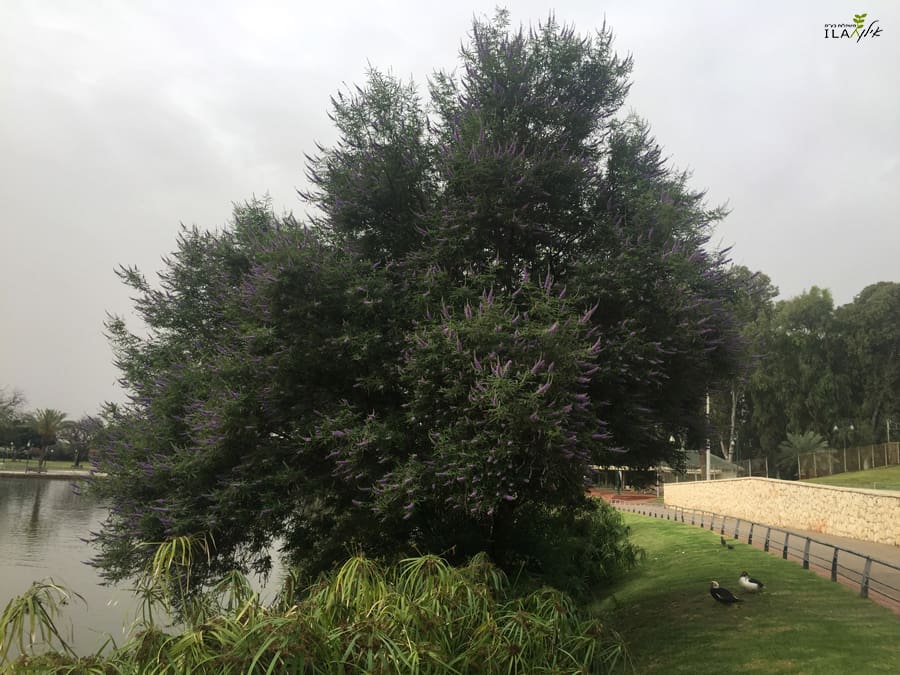
Canopy Shape: Rounded
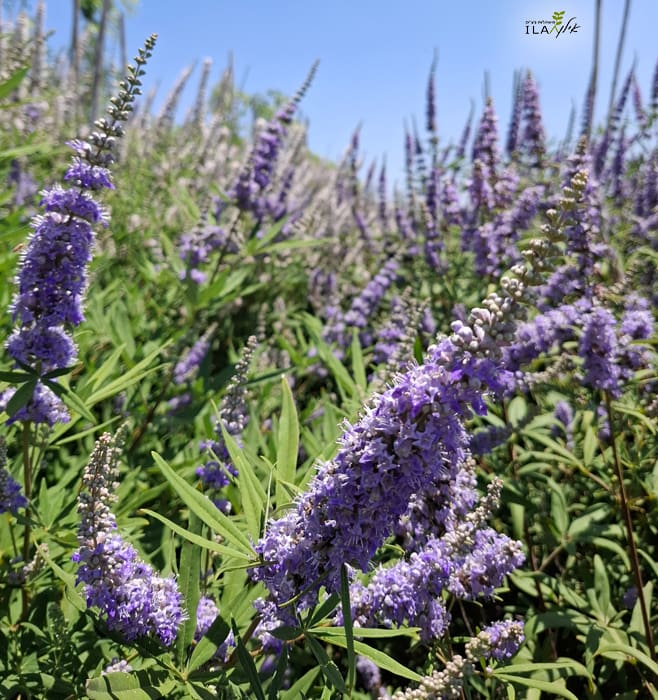
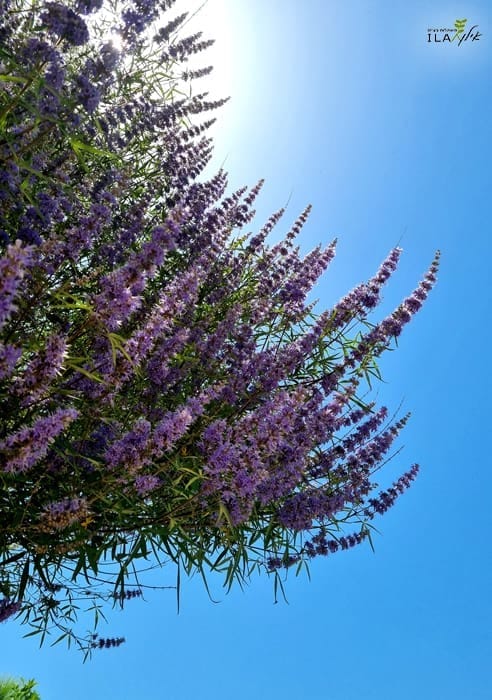
Bloom: Clusters of small, purple flowers
Flowering Season: Spring–Summer (May to September)
Fruit: Small spherical drupe full of seed
Size of a Mature Tree: Height – 4 – 8 meters or 13.1ft – 26.2ft, Diameter – 4 – 8 meters or 13.1ft – 26.2ft
Growing Speed: Fast
Irrigation: Very minimal, small amount of Supplemental irrigation until established
Soil: Adaptable to all soils except for saline and chalky soils
Geographical Distribution: Widely distributed across Israel
Climatic Resistance: Tolerant of harsh weather conditions
Uses: Suitable as a stand-alone specimen, grouped, street, screening, patio

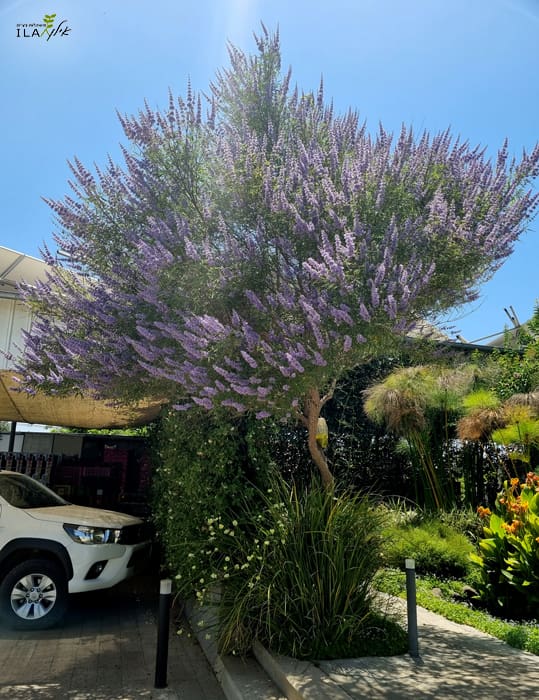
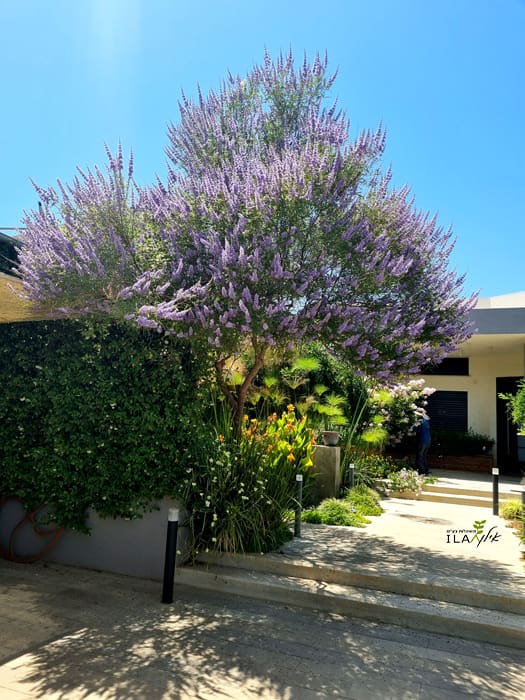
Vitex agnus-castus, commonly known as Abraham’s Bush, is a resilient and adaptable small tree or large shrub that can reach up to 8 meters in height. Native to streambeds in the northern and central regions of Israel, it naturally thrives along watercourses that flow year-round.
In its natural habitat, it typically grows with multiple trunks, but in cultivated landscapes, it is often shaped as a single-stemmed ornamental tree. The foliage is opposite, with dark green upper surfaces and softly pubescent undersides. Deciduous in winter, the tree is easily recognized during dormancy by clusters of dry fruit capsules that persist on the branches.
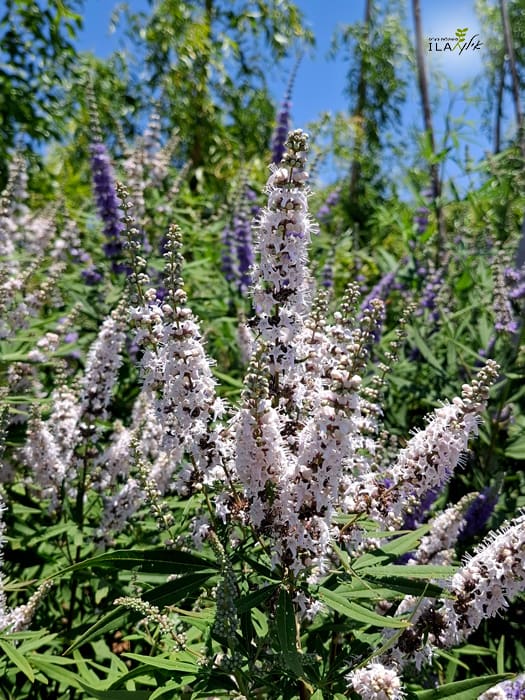
From June to September, Vitex produces striking spikes of fragrant purple flowers, offering ornamental value during the driest months and serving as an important nectar source for honeybees. Its roots are deep and non-invasive, making it suitable for planting near structures or in urban settings.
Widely used in Mediterranean gardens, Abraham’s Bush is valued for its low maintenance, attractive blooms, and suitability as a small shade tree, specimen plant, or in shrub borders. It is also traditionally known for its flexible branches, which have been used in basketry, and its aromatic fruit, sometimes used as a spice. Historically, the seeds were believed to have medicinal properties and were used in various forms of folk medicine.
The Vitex genus includes around 250 species, with another local variety found in Israel producing pink flowers and growing primarily along northern waterways. In global horticulture, there are additional compact and dwarf cultivars, including groundcover forms. Our nursery also offers a unique triangular-leafed purple Vitex, distinguished by its richly colored, oval-shaped foliage.
Additional trees from the same family: Vitex trifolia ‘Purpurea’
עץ יחיד:
מסנן ומטהר כ-1000 מ”ק אוויר מזיהום
מייצר 700 ק”ג חמצן
קולט מעל 20 טון של פחמן דו חמצני
מסוגל לספוג כ-20 ק”ג אבק בכל שנה
ולבלוע תרחיפים המכילים מתכות רעילות, כמו כספית, עופרת וליתיום
חלק מהחמצן באוויר שאנו נושמים מיוצר על ידי העצים
העצים מכינים עצמם לחורף, שבו פעילותם נעצרת. כדי לא להינזק מפגעי הקור מפחיתים העצים את שטח הפנים, ע”י השלת העלים, כצעד הסתגלותי המאפשר להם לשרוד בתנאי החורף המקשים. הקולטנים שבעלים, הרגישים לטמפ’ היורדת, מפסיקים את ייצור הכלורופיל, הכלורופיל הקיים מתפרק והצבענים האחרים שבעלים נחשפים, והעלים הופכים מירוקים לצהובים, כתומים ואפילו אדומים.
בעת שלכת הסתיו, צבעי השלכת – בעיקר האדום – מאפשרים לעלה להישאר מעט יותר על העץ וכך העץ “שואב” את שארית החומרים המזינים מהעלים ולנצלם עד תום. צבעי שלכת ביערות שלא בעונת הסתיו מאפשרת ליערנים לאתר בעיות.
המלצות ואפשרויות לשילוב שקדים בתפריט היומי:
*תודה לגילי חדש – רפואה טבעית
הפרט המוכר הכי עתיק בעולם הוא עץ מזן Pinus longaeva המוכר בשמותיו העממיים Great Basin bristlecone pine או intermountain bristlecone pine או western bristlecone pine, שנמצא ביער Ancient Bristlecone Pine שב’הרים הלבנים’ בקליפורניה.
גילו מתקרב ל-5,100 שנים!
גם העץ השני בגילו המוכר נמצא באותו יער, והוא גם כן תת זן של אותו עץ. הוא בן יותר מ-4,800 שנה. תת זן זה קיבל מהחוקרים שמדדו את גילו את השם “מתושלח”
הפרט הכי גבוה בעולם הוא כפי הנראה עץ מזן
Sequoia sempervirens
שנמצא בפארק הלאומי רדווד בקליפורניה.
גובהו 115 מטר
גינקו דו אונתי מהווה מעין ‘מאובן חי’. הוא התקיים כבר בתקופות פרהיסטוריות.
בחפירות ארכיאולוגיות נמצאו חלקי מאובנים שלו מלפני 270 מליוני שנים!
עמידותו הרבה, והיכולת להזריע את עצמו בקלות, סייעו לו להתקיים לאורך הדורות. הוא כל כך עמיד, שפרטים בודדים שלו שרדו אפילו את פצצת האטום בהירושימה בשנת 1945, למרות שהיו במרחק קילומטר אחד או שניים בלבד ממוקד הפיצוץ. לא רק שעצים אלה שרדו, הם אףהחלימו לחלוטין לאחר זמן קצר יחסית.