

Share:
Share:
Origin: South Europe, West-central Asia, North America
Description: Deciduous
Canopy Shape: Pyramidal
Bloom: Without horticultural significance
Flowering Season: Spring
Fruit: Without horticultural significance
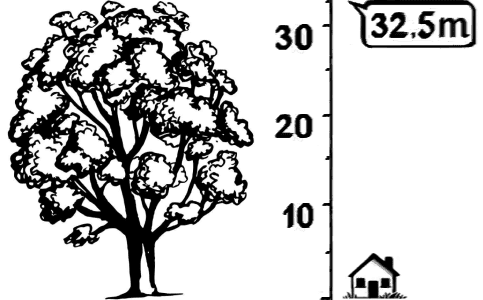
Height at Maturity: 25 meters or 82 ft
Diameter at Maturity: 8 meters or 26.2 ft
Growing Speed: Fast – very fast
Irrigation: Supplemental irrigation for an appealing look
Soil: Adaptable to all soil types except for salted soil, damp soil preferred
Geographical Distribution: Widely distributed across Israel with the exception of high-altitude areas
Climatic Resistance: Tolerant to frost
Uses: Suitable as a stand-alone specimen, grouped, avenue, providing cover, windbreaker
Canadian Poplar (Populus × canadensis) is a fast-growing, deciduous hybrid tree developed from a cross between Populus nigra ‘Italica’ (commonly known as the Lombardy or Italian poplar) and Populus deltoides, native to eastern North America and known as Eastern Cottonwood. This hybrid combines the best qualities of both parents, robust growth, adaptability, and distinctive foliage.
The Canadian Poplar is a large, upright tree with a broad, rounded crown, typically reaching heights of 25-40 meters and a crown spread of 9-15 meters. Its trunk is thick and straight, with bark that begins light gray and becomes darker and more deeply fissured with age. The leaves are triangular with finely serrated edges and tapering tips. Their upper surfaces are glossy green, while the undersides are paler and slightly hairy. Emerging foliage often appears reddish and turns golden yellow in autumn.
This species is dioecious, with separate male and female trees. Flowering occurs in late winter (February–March), before leaf-out. The male trees produce reddish catkins, while female catkins are greenish. By early spring, female trees develop small capsule-like fruits that release seeds surrounded by cotton-like white fibers, giving rise to the common name “Cottonwood.” These wind-dispersed seeds often blanket the landscape, creating a striking visual effect.
Due to its vigorous growth rate and aggressive root system, Canadian Poplar is best suited for large open spaces such as parks, estates, or restoration projects, and is not recommended for small residential gardens or near structures. While it is not commonly used in forestry or landscaping in Israel today, some unique specimens can be found in the Ilanot Forest. In our nursery, Canadian Poplar is propagated through vegetative cuttings to ensure consistency and to avoid unwanted hybridization with native black poplars.
Poplars belong to the willow family (Salicaceae), a group of wind-pollinated trees and shrubs typically found in moist environments. The genus Populus includes 25–35 species native to temperate and cold regions of the Northern Hemisphere. These trees are valued not only for their ornamental appeal but also for their economic uses, particularly in the production of paper, matches, and other wood products due to their light, easily processed timber.
Note: Because of its size, rapid growth, and seed dispersal, Canadian Poplar is best reserved for large-scale plantings and public landscapes where space and maintenance are not limiting factors.
Additional trees from the same family:
Populus nigra ‘Italica’ | Populus X canadensis | Populus alba | Populus euphratica | Populus deltoides ‘Purple Tower’
עץ יחיד:
מסנן ומטהר כ-1000 מ”ק אוויר מזיהום
מייצר 700 ק”ג חמצן
קולט מעל 20 טון של פחמן דו חמצני
מסוגל לספוג כ-20 ק”ג אבק בכל שנה
ולבלוע תרחיפים המכילים מתכות רעילות, כמו כספית, עופרת וליתיום
חלק מהחמצן באוויר שאנו נושמים מיוצר על ידי העצים
העצים מכינים עצמם לחורף, שבו פעילותם נעצרת. כדי לא להינזק מפגעי הקור מפחיתים העצים את שטח הפנים, ע”י השלת העלים, כצעד הסתגלותי המאפשר להם לשרוד בתנאי החורף המקשים. הקולטנים שבעלים, הרגישים לטמפ’ היורדת, מפסיקים את ייצור הכלורופיל, הכלורופיל הקיים מתפרק והצבענים האחרים שבעלים נחשפים, והעלים הופכים מירוקים לצהובים, כתומים ואפילו אדומים.
בעת שלכת הסתיו, צבעי השלכת – בעיקר האדום – מאפשרים לעלה להישאר מעט יותר על העץ וכך העץ “שואב” את שארית החומרים המזינים מהעלים ולנצלם עד תום. צבעי שלכת ביערות שלא בעונת הסתיו מאפשרת ליערנים לאתר בעיות.
המלצות ואפשרויות לשילוב שקדים בתפריט היומי:
*תודה לגילי חדש – רפואה טבעית
הפרט המוכר הכי עתיק בעולם הוא עץ מזן Pinus longaeva המוכר בשמותיו העממיים Great Basin bristlecone pine או intermountain bristlecone pine או western bristlecone pine, שנמצא ביער Ancient Bristlecone Pine שב’הרים הלבנים’ בקליפורניה.
גילו מתקרב ל-5,100 שנים!
גם העץ השני בגילו המוכר נמצא באותו יער, והוא גם כן תת זן של אותו עץ. הוא בן יותר מ-4,800 שנה. תת זן זה קיבל מהחוקרים שמדדו את גילו את השם “מתושלח”
הפרט הכי גבוה בעולם הוא כפי הנראה עץ מזן
Sequoia sempervirens
שנמצא בפארק הלאומי רדווד בקליפורניה.
גובהו 115 מטר
גינקו דו אונתי מהווה מעין ‘מאובן חי’. הוא התקיים כבר בתקופות פרהיסטוריות.
בחפירות ארכיאולוגיות נמצאו חלקי מאובנים שלו מלפני 270 מליוני שנים!
עמידותו הרבה, והיכולת להזריע את עצמו בקלות, סייעו לו להתקיים לאורך הדורות. הוא כל כך עמיד, שפרטים בודדים שלו שרדו אפילו את פצצת האטום בהירושימה בשנת 1945, למרות שהיו במרחק קילומטר אחד או שניים בלבד ממוקד הפיצוץ. לא רק שעצים אלה שרדו, הם אףהחלימו לחלוטין לאחר זמן קצר יחסית.


