Share:
Share:
Origin: South and East Asia, Northern Australia
Description: Deciduous
Canopy Shape: Rounded
Bloom: Flowers borne at branch tips
Bloom Season: Spring, Summer
Fruit: Green drupe (stone fruit) at branch tips
Height at Maturity: 8 meters or 26.2
Diameter at Maturity: 4 meters or 13.1
Growing Speed: Fast–moderate
Irrigation: Economical, supplemental summer irrigation recommended
Soil: All soil types except saline; good drainage is essential
Geographical Distribution: All regions across the country
Climatic Adaptability: Resistant to cold, frost, and heatwaves (Sharav)
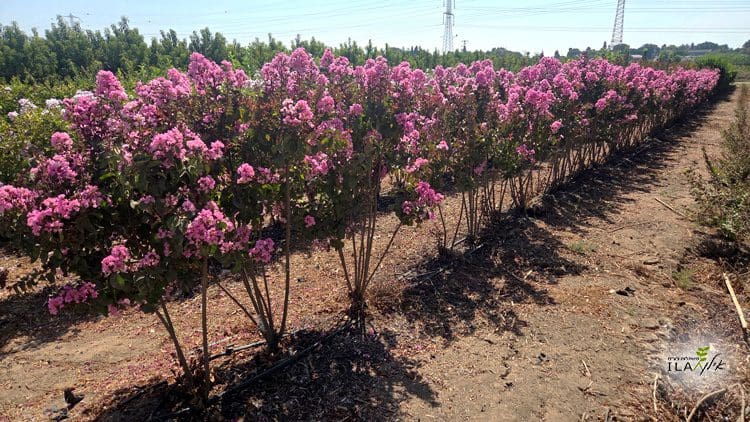
Primary Uses: Specimen/accent tree, massed groupings, street tree, patio

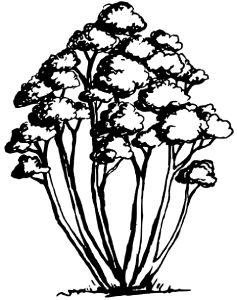
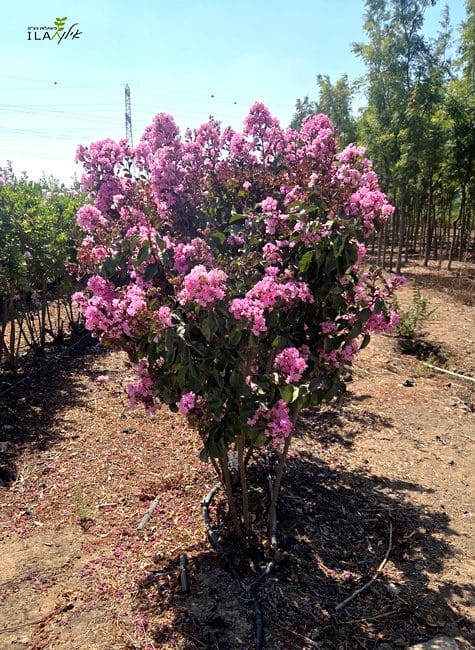
Lagerstroemia indica (Crape Myrtle) is a small, deciduous tree typically reaching a height of up to 8 m and a spread of just 3–4 m. Due to its relatively compact size, it can be planted as a single specimen or in groupings, beautifully ornamenting private yards, city streets, and patios alike. It is characterized by impressive autumn foliage displays in fiery tones, ranging from yellow to deep red-purple.
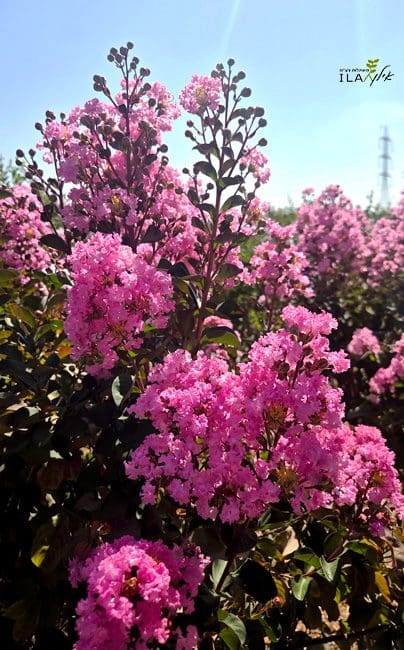
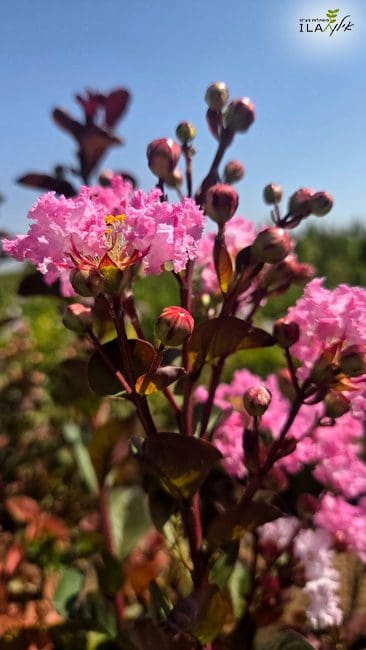
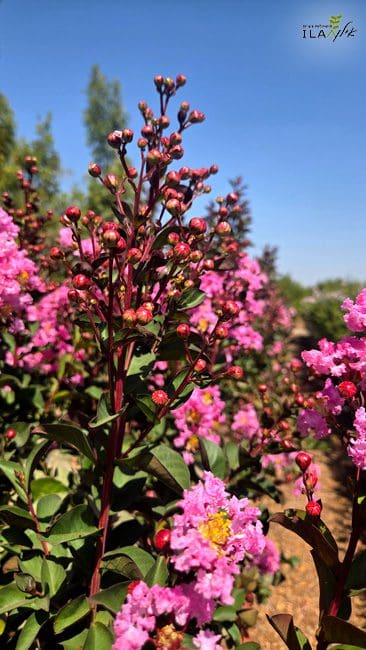
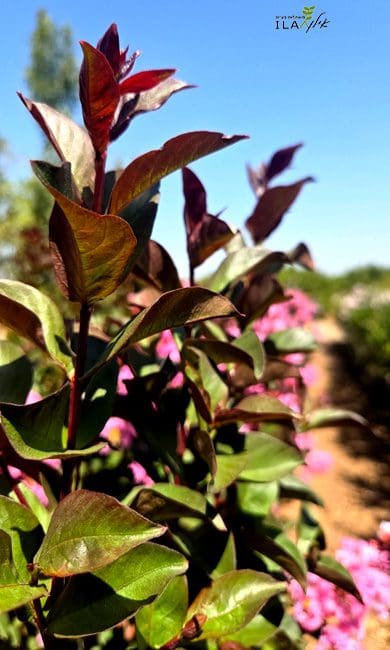
Lagerstroemia ‘Rhapsody in Pink’ blooms intensely in season, featuring clusters of deep pink, nearly fuchsia flowers. The bloom is breathtakingly beautiful, rich, and eye-catching. In fact, alongside the grafted ‘Lafayette’, it is the earliest to bloom among all crape myrtle varieties. The reddish emerging spring foliage of ‘Rhapsody in Pink’ also adds a unique and beautiful look to this cultivar.
For optimal flowering and appearance, increased irrigation is recommended. The variety is resistant to cold and heatwaves (Sharav), making it suitable for all climate zones across the country. It is less suited to saline soils and may suffer from poor drainage. Excess water, overly humid environments, and deep shade can lead to powdery mildew and tree decline, which should be avoided. Pruning the dried seed clusters in late winter will encourage more extensive spring blooming, and pruning branches immediately after flowering can even induce additional bloom waves. It is with good reason that crape myrtles serve as leading street trees across the country.
Additional trees from the same family:
Lagerstroemia indica ‘Dynamite’ | Lagerstroemia indica ‘Cordon Bleu’ | Lagerstroemia indica ‘Lafayette’ | Lagerstroemia indica ‘Mardi Gras’ | Lagerstroemia indica ‘Pink Velour’ | Lagerstroemia indica x fauriei ‘Tuscarora’ | Lagerstroemia indica x fauriei ‘Natchez’ | Lagerstroemia indica x fauriei ‘Muskogee’ | lagerstroemia speciosa | Lagerstroemia indica ‘Ultra’ | Lagerstroemia indica ‘Rhapsody in Pink’ | Lagerstroemia indica Fuchsia ‘Bella Mia’
MagicTM series:
Coral | Lunar | Moonlight | Plum | Purple | Ruffled red | Sunset | Twilight
עץ יחיד:
מסנן ומטהר כ-1000 מ”ק אוויר מזיהום
מייצר 700 ק”ג חמצן
קולט מעל 20 טון של פחמן דו חמצני
מסוגל לספוג כ-20 ק”ג אבק בכל שנה
ולבלוע תרחיפים המכילים מתכות רעילות, כמו כספית, עופרת וליתיום
חלק מהחמצן באוויר שאנו נושמים מיוצר על ידי העצים
העצים מכינים עצמם לחורף, שבו פעילותם נעצרת. כדי לא להינזק מפגעי הקור מפחיתים העצים את שטח הפנים, ע”י השלת העלים, כצעד הסתגלותי המאפשר להם לשרוד בתנאי החורף המקשים. הקולטנים שבעלים, הרגישים לטמפ’ היורדת, מפסיקים את ייצור הכלורופיל, הכלורופיל הקיים מתפרק והצבענים האחרים שבעלים נחשפים, והעלים הופכים מירוקים לצהובים, כתומים ואפילו אדומים.
בעת שלכת הסתיו, צבעי השלכת – בעיקר האדום – מאפשרים לעלה להישאר מעט יותר על העץ וכך העץ “שואב” את שארית החומרים המזינים מהעלים ולנצלם עד תום. צבעי שלכת ביערות שלא בעונת הסתיו מאפשרת ליערנים לאתר בעיות.
המלצות ואפשרויות לשילוב שקדים בתפריט היומי:
*תודה לגילי חדש – רפואה טבעית
הפרט המוכר הכי עתיק בעולם הוא עץ מזן Pinus longaeva המוכר בשמותיו העממיים Great Basin bristlecone pine או intermountain bristlecone pine או western bristlecone pine, שנמצא ביער Ancient Bristlecone Pine שב’הרים הלבנים’ בקליפורניה.
גילו מתקרב ל-5,100 שנים!
גם העץ השני בגילו המוכר נמצא באותו יער, והוא גם כן תת זן של אותו עץ. הוא בן יותר מ-4,800 שנה. תת זן זה קיבל מהחוקרים שמדדו את גילו את השם “מתושלח”
הפרט הכי גבוה בעולם הוא כפי הנראה עץ מזן
Sequoia sempervirens
שנמצא בפארק הלאומי רדווד בקליפורניה.
גובהו 115 מטר
גינקו דו אונתי מהווה מעין ‘מאובן חי’. הוא התקיים כבר בתקופות פרהיסטוריות.
בחפירות ארכיאולוגיות נמצאו חלקי מאובנים שלו מלפני 270 מליוני שנים!
עמידותו הרבה, והיכולת להזריע את עצמו בקלות, סייעו לו להתקיים לאורך הדורות. הוא כל כך עמיד, שפרטים בודדים שלו שרדו אפילו את פצצת האטום בהירושימה בשנת 1945, למרות שהיו במרחק קילומטר אחד או שניים בלבד ממוקד הפיצוץ. לא רק שעצים אלה שרדו, הם אףהחלימו לחלוטין לאחר זמן קצר יחסית.