Share:
Share:


Origin: China (introduced to the European market in the Netherlands in 2009)
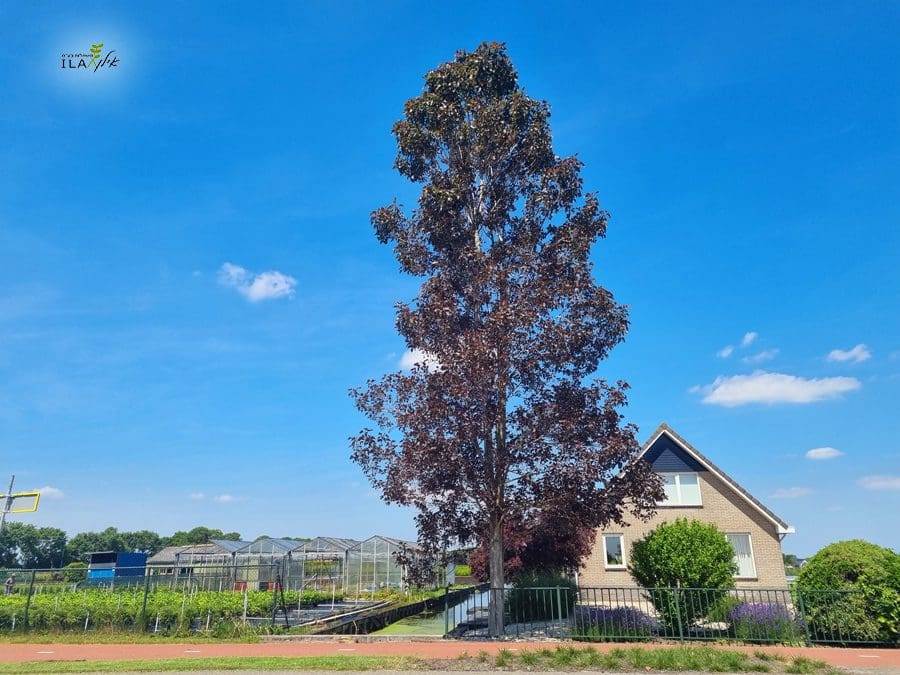
Description: Architectural ornamental tree, deciduous, with a unique color display
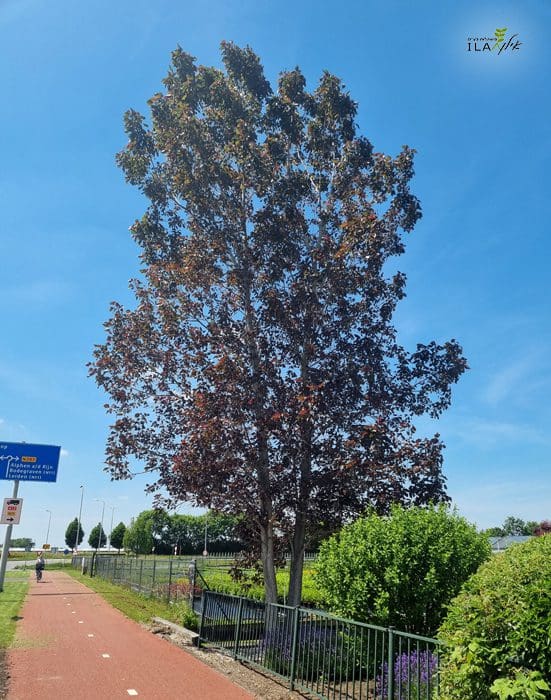
Growth Form: Narrow, erect pyramidal form with a compact, space-efficient habit
Height at Maturity: 12 – 18 meters or 39.3 – 59 ft
Diameter at Maturity: 5 – 6 meters or 16.4 – 19.6 ft
Growing Speed: Very Fast
Primary Uses: Feature tree in luxury gardens, creating avenues and colorful green screens, and tall screening along property boundaries
Geographical Distribution: Widely distributed across Israel except Eilat, the valleys, and the Arava

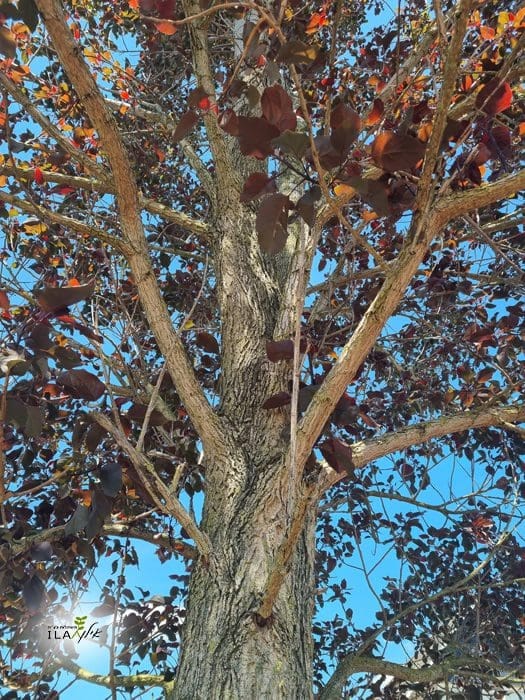
A rare mutation from the Far East that became an architectural icon, a spectacular columnar tree with deep purple foliage that transforms the look of the garden.
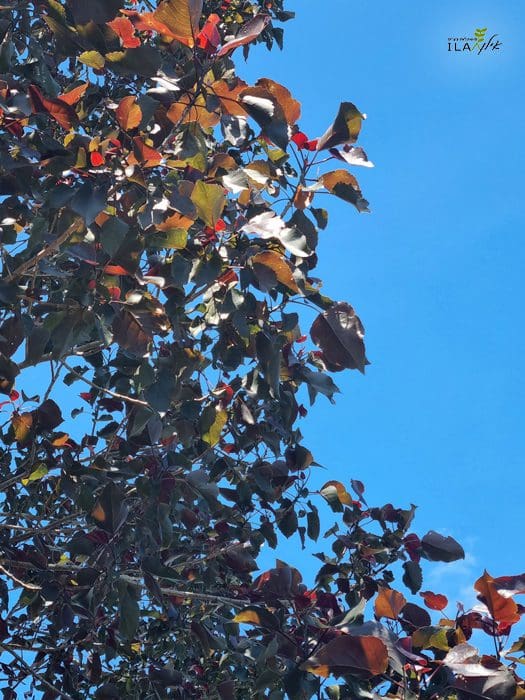
‘Purple Tower’ is not just another ornamental tree: this unique cultivar discovered in China originated as a natural mutation that occurred on a single branch of an Eastern Cottonwood (Populus deltoides), causing an overproduction of red pigments (anthocyanins), similar to the mechanism that creates the red color in the ‘Pissardii’ plum.
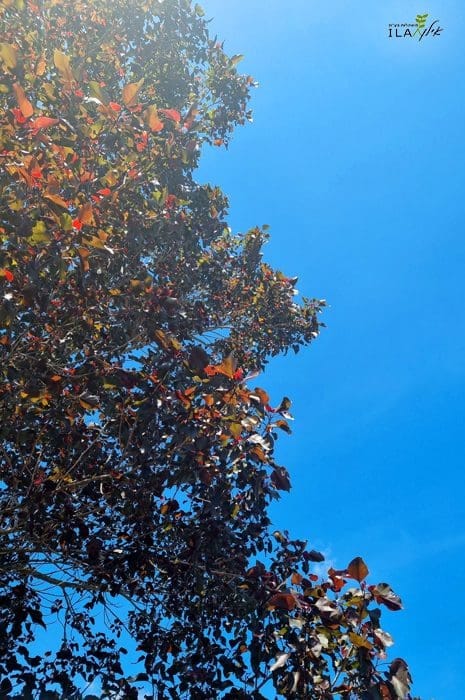
The tree boasts large, glossy, heart-shaped leaves that emerge in spring in a vivid wine-red hue and turn a dramatic deep burgundy-purple throughout the entire season, culminating in fall foliage of amber and gold tones. The tree’s bloom features long, delicate, graceful white curly inflorescences in spring reminiscent of cotton. All of these grant the tree an ever-changing, stunning character, maintaining dynamic visual interest all year round.
Unlike various poplar hybrids, this tree excels in a relatively narrow pyramidal structure of 5-6 meters. The fastigiate, columnar growth allows you to bring an impressive tree presence into tight spaces or as part of precise modern landscape design.
The cultivar was brought to Europe in 2009 by Dutch breeders and won awards at the FLOWERS trade exhibition. It is protected by Plant Breeders’ Rights (PBR), which guarantees genetic quality, consistency in appearance, and a fast growth rate.
This cultivar is exclusive to Ilan Nurseries and is available only from us!
Nursery Tips:
How to maximize the vibrant coloration of this cultivar? To achieve the deep purple hue this variety is famous for, planting in full sun is recommended. Direct sunlight is the key to dramatic, glossy foliage.
Optimal Maintenance and Shaping: Thanks to its strong genetics, annual pollarding can be performed. This action not only keeps the tree’s height manageable in smaller gardens, but also encourages the growth of exceptionally large and extra-purple leaves.
We recommend careful thought and proper planning when placing the tree: As a tree in the poplar family, its root system has a significant presence. We recommend maintaining a safe distance from structures and sewer infrastructure.
Additional trees from the same family:
Populus nigra ‘Italica’ | Populus X canadensis | Populus alba | Populus euphratica | Populus deltoides ‘Purple Tower’
עץ יחיד:
מסנן ומטהר כ-1000 מ”ק אוויר מזיהום
מייצר 700 ק”ג חמצן
קולט מעל 20 טון של פחמן דו חמצני
מסוגל לספוג כ-20 ק”ג אבק בכל שנה
ולבלוע תרחיפים המכילים מתכות רעילות, כמו כספית, עופרת וליתיום
חלק מהחמצן באוויר שאנו נושמים מיוצר על ידי העצים
העצים מכינים עצמם לחורף, שבו פעילותם נעצרת. כדי לא להינזק מפגעי הקור מפחיתים העצים את שטח הפנים, ע”י השלת העלים, כצעד הסתגלותי המאפשר להם לשרוד בתנאי החורף המקשים. הקולטנים שבעלים, הרגישים לטמפ’ היורדת, מפסיקים את ייצור הכלורופיל, הכלורופיל הקיים מתפרק והצבענים האחרים שבעלים נחשפים, והעלים הופכים מירוקים לצהובים, כתומים ואפילו אדומים.
בעת שלכת הסתיו, צבעי השלכת – בעיקר האדום – מאפשרים לעלה להישאר מעט יותר על העץ וכך העץ “שואב” את שארית החומרים המזינים מהעלים ולנצלם עד תום. צבעי שלכת ביערות שלא בעונת הסתיו מאפשרת ליערנים לאתר בעיות.
המלצות ואפשרויות לשילוב שקדים בתפריט היומי:
*תודה לגילי חדש – רפואה טבעית
הפרט המוכר הכי עתיק בעולם הוא עץ מזן Pinus longaeva המוכר בשמותיו העממיים Great Basin bristlecone pine או intermountain bristlecone pine או western bristlecone pine, שנמצא ביער Ancient Bristlecone Pine שב’הרים הלבנים’ בקליפורניה.
גילו מתקרב ל-5,100 שנים!
גם העץ השני בגילו המוכר נמצא באותו יער, והוא גם כן תת זן של אותו עץ. הוא בן יותר מ-4,800 שנה. תת זן זה קיבל מהחוקרים שמדדו את גילו את השם “מתושלח”
הפרט הכי גבוה בעולם הוא כפי הנראה עץ מזן
Sequoia sempervirens
שנמצא בפארק הלאומי רדווד בקליפורניה.
גובהו 115 מטר
גינקו דו אונתי מהווה מעין ‘מאובן חי’. הוא התקיים כבר בתקופות פרהיסטוריות.
בחפירות ארכיאולוגיות נמצאו חלקי מאובנים שלו מלפני 270 מליוני שנים!
עמידותו הרבה, והיכולת להזריע את עצמו בקלות, סייעו לו להתקיים לאורך הדורות. הוא כל כך עמיד, שפרטים בודדים שלו שרדו אפילו את פצצת האטום בהירושימה בשנת 1945, למרות שהיו במרחק קילומטר אחד או שניים בלבד ממוקד הפיצוץ. לא רק שעצים אלה שרדו, הם אףהחלימו לחלוטין לאחר זמן קצר יחסית.